








Omicho Market is Kanazawa’s main fresh food market and the easiest place in the city to eat local seafood without a reservation. It sits between Kanazawa Station and the Korinbo shopping district, so most visitors pass close by on their first day. The decisions that matter are when to arrive, which day to avoid and what to eat if lines are long.
In short: come on a weekday morning that is not a Wednesday, eat a seafood bowl or standing snacks before noon, and in November and December look for the small female snow crabs called kobako. If you came to Kanazawa for its local soul foods, hanton rice and Kanazawa curry are both within reach of the same walk.
- Address: 50 Kamiomicho, Kanazawa, Ishikawa
- Hours: about 9:00 a.m. to 5:00 p.m., but each shop sets its own hours
- Closed: varies by shop; many close on Wednesdays, and some on Sundays and national holidays
- Admission: free
- Access: 15 minutes on foot from Kanazawa Station, or a bus to Musashigatsuji
Contents
When to go: weekday mornings, not Wednesdays
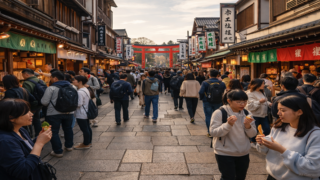
The market has more than 180 shops and restaurants under one network of covered lanes. Local shoppers come early, and the restaurants fill up from late morning. Popular seafood bowl restaurants often have a line by lunchtime, so arriving between 9 and 10:30 a.m. gives you the most choice with the shortest wait.
Wednesday is the day to plan around. Many stalls and several well-known restaurants close that day, so the market can feel half-shuttered. If Wednesday is your only day in Kanazawa, go anyway for a quick look, but choose a restaurant that lists Wednesday hours before you set out. Hours on the market’s shop pages can change, so check the individual listing on the morning of your visit.
Getting there from Kanazawa Station
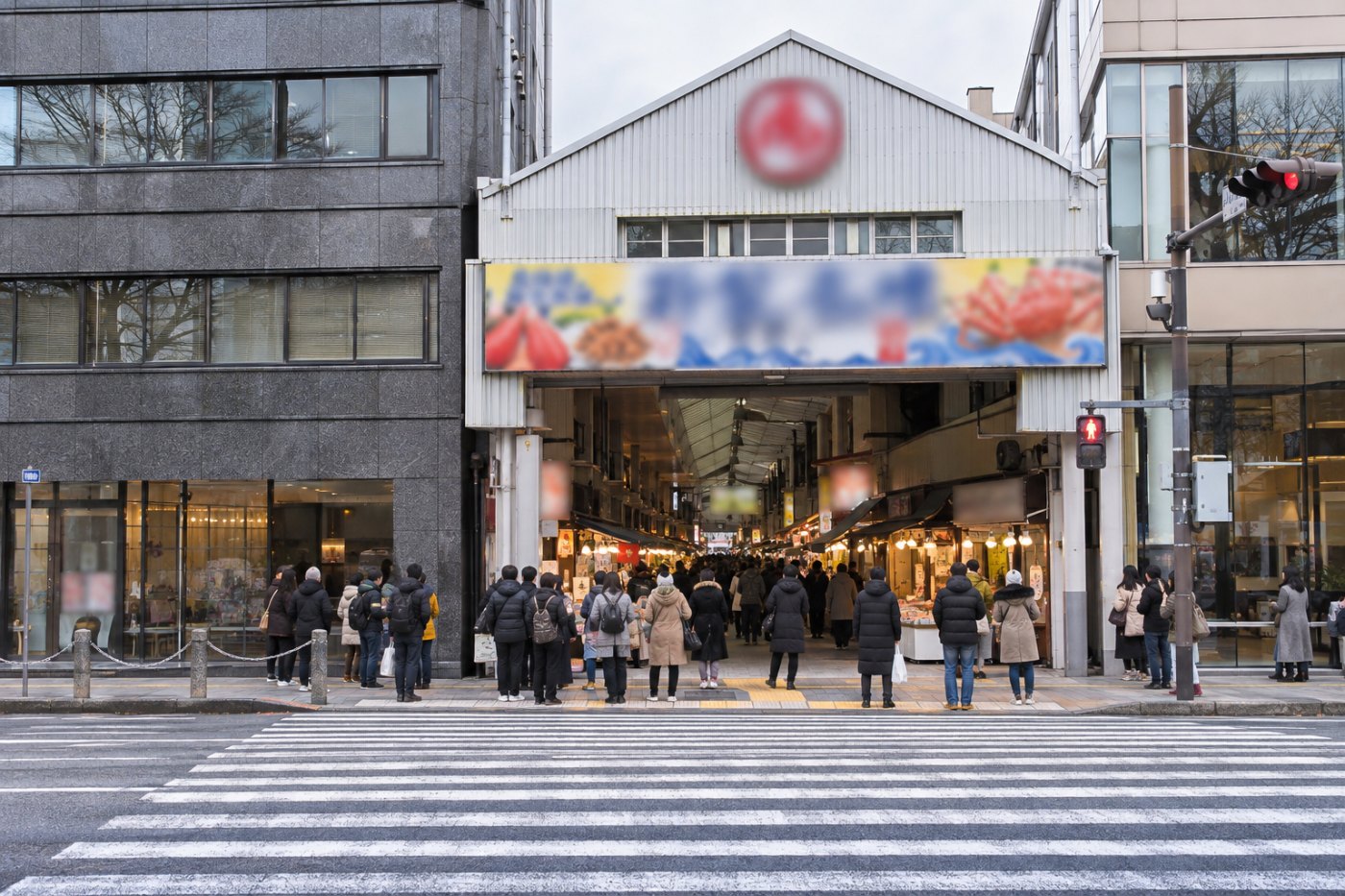
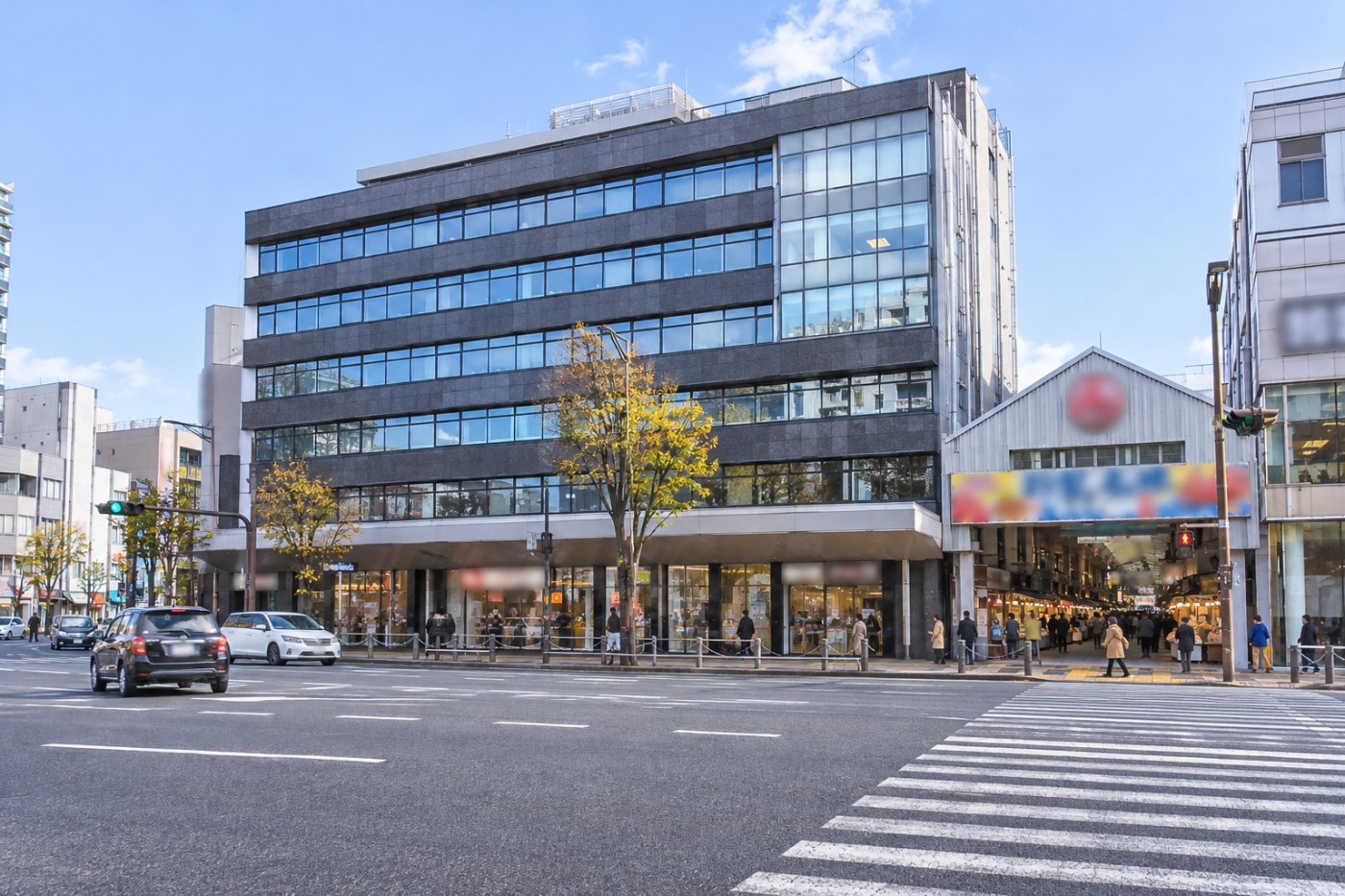
From the station’s east side, the walk takes about 15 minutes along the main road toward the city center. If it is raining or you are carrying luggage, take a bus instead. The market’s official access guide points to Hokuriku Railroad buses from stops 6 to 9 at the east exit, as well as the Machi Bus. Get off at Musashigatsuji, the stop beside the market.
Set “Omicho Market” as your map destination and look for the covered entrances facing the Musashigatsuji intersection. Agree on one entrance as a meeting point before your group splits up to browse, because the lanes look alike from the inside.
What to eat: three ways to do the market
A sit-down seafood bowl
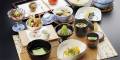
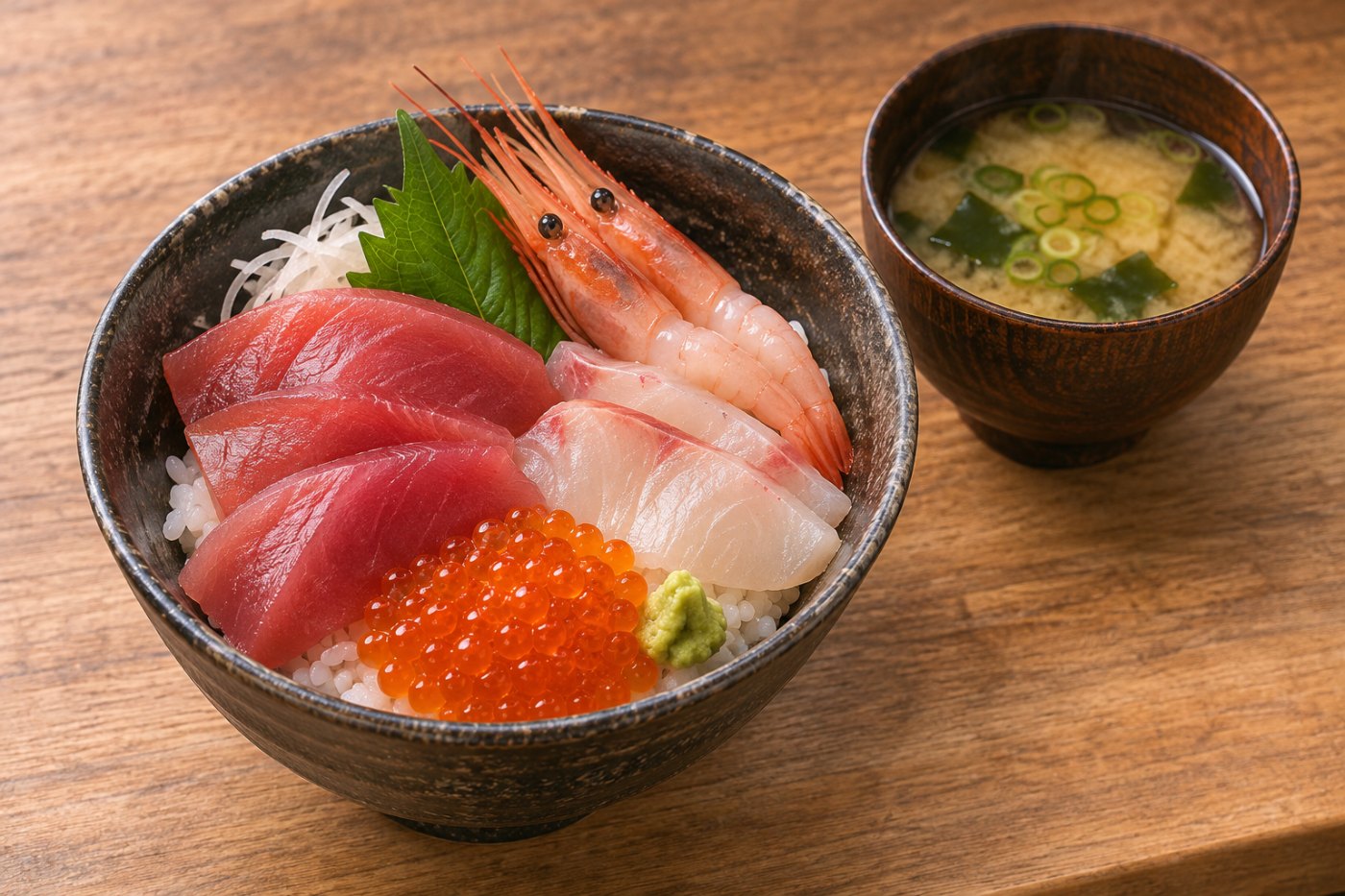
The classic meal here is kaisendon, rice topped with raw fish and shellfish bought in the market that morning. Several restaurants specialise in it, and many display picture menus outside. Kaisendon Hirai’s main branch, for example, lists about 20 bowls, including tempura and eel bowls for anyone who does not eat raw fish. It opens at 11 a.m. on weekdays and 10:30 a.m. on weekends and holidays, and it closes on Wednesdays.
If the line at one restaurant is long, walk a lane or two further. The bowls at neighbouring restaurants use fish from the same stalls, and a shorter wait is often worth more than a particular name.
Standing snacks and a glass of local sake
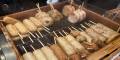
If you would rather try several small things, head to Ippuku Yokocho, a standing food court inside the market. Separate counters serve Kanazawa oden, grilled shellfish, sashimi and sushi, and about 50 sakes from the three Hokuriku prefectures. You order item by item, which suits a short visit or a group with different appetites. It is open from 9 a.m. to 5 p.m. and closed on Wednesdays, except national holidays.
Many seafood stalls will also grill oysters or shellfish for you to eat at their counter. Eat where you bought it or at a bench rather than while walking. The lanes are narrow, and shop staff are working with fresh fish.
Kanazawa’s soul foods nearby
Not every meal near the market has to be seafood. Champion Curry’s Omicho branch, beside the market, serves Kanazawa-style curry from 11 a.m. to 8 p.m. and lists no closing day, which makes it a dependable fallback on a Wednesday. Our curry guide compares it with other shops near the station.

If you came for hanton rice, the omelette rice topped with fried fish and tartar sauce, continue south toward Korinbo after the market. Grill Otsuka, known as the place where the dish took shape, is in Katamachi just beyond Korinbo, a short bus ride or a longer walk from Omicho. It is reported to close on Wednesdays as well, so check before you plan both on the same day. Our hanton rice guide covers it and three other restaurants.

November and December: crab season at the market
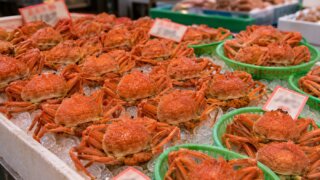
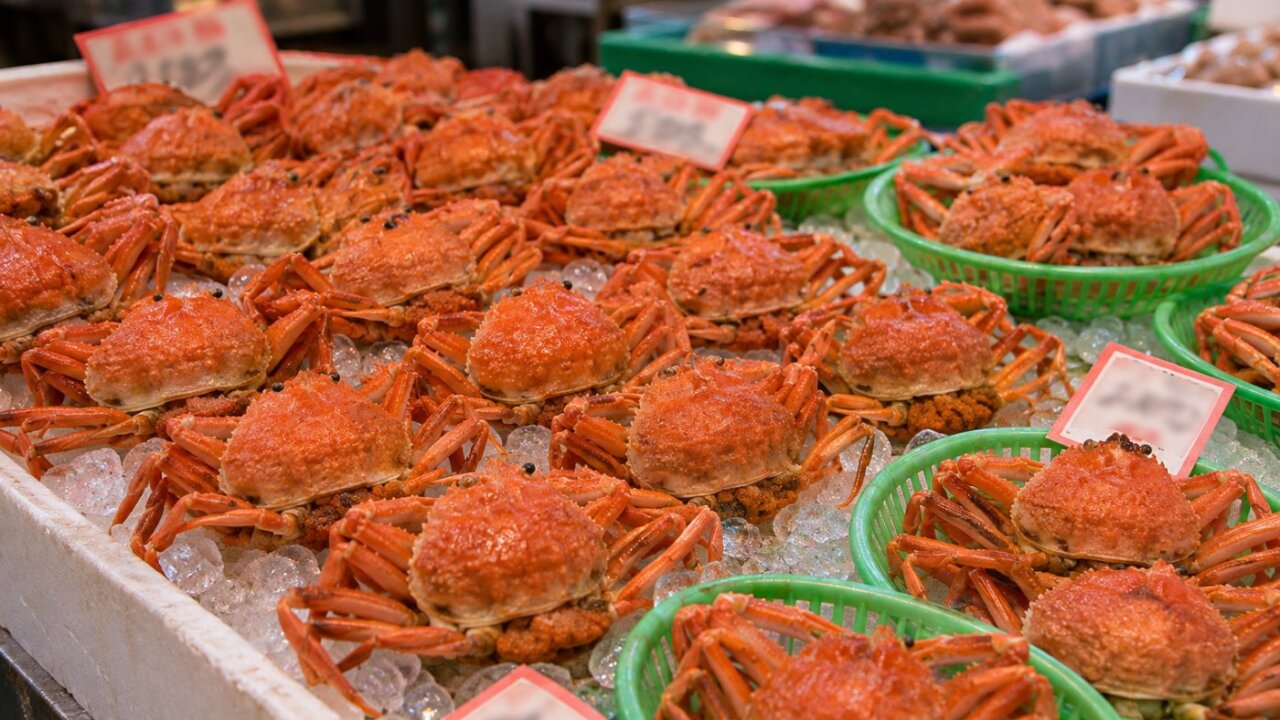
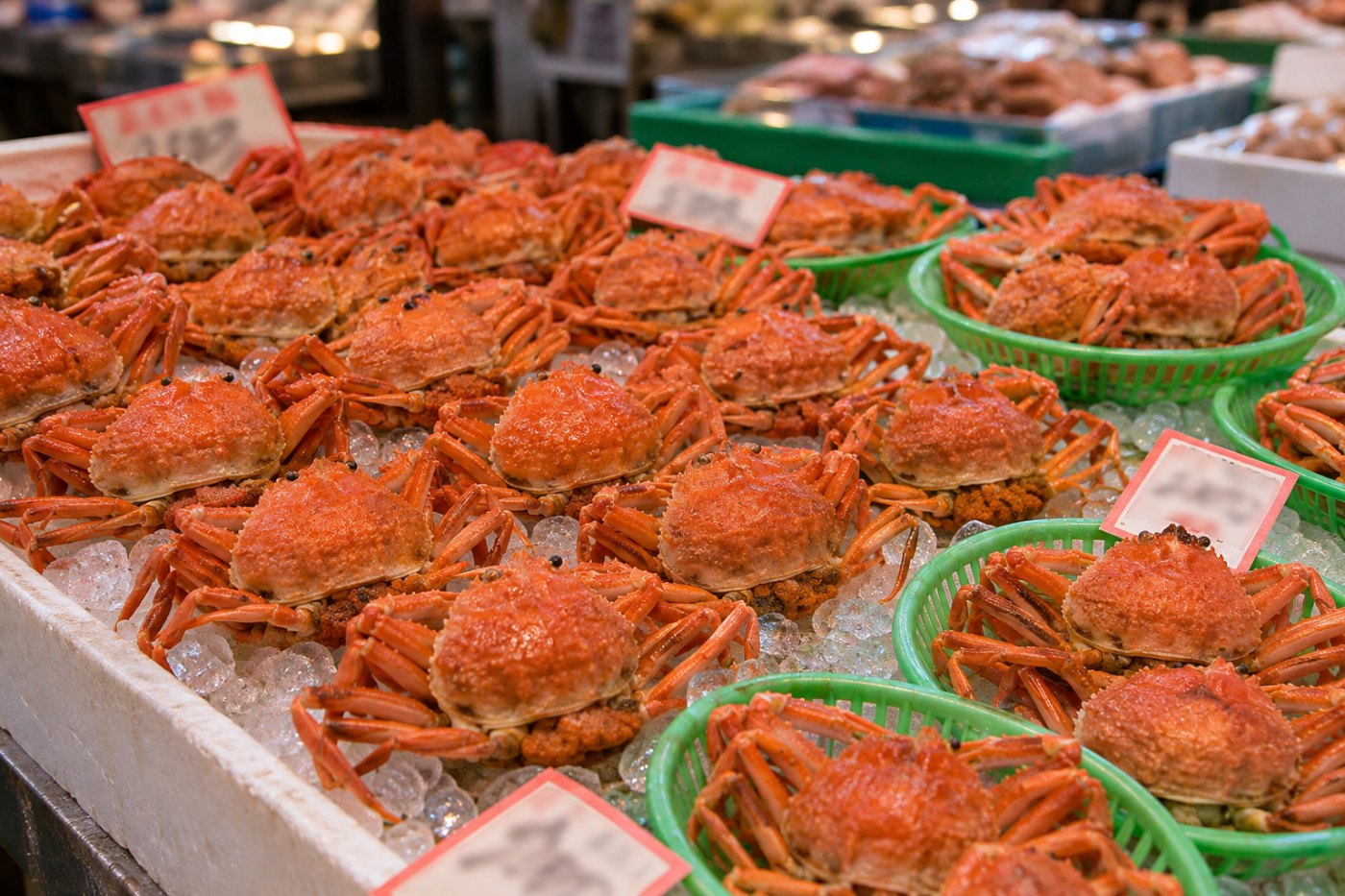
Ishikawa’s snow crab fishing season usually opens in early November (it opened on November 6 in 2026), and the market changes with it. Stalls stack boiled crabs on ice and label them by size and price. Two kinds are worth knowing.
- Kobako crab is the small female snow crab. It is prized for its roe and inner eggs. The fishing season for females is short, running only until late December.
- Kano crab is the larger male, sold under Ishikawa’s regional brand. It continues to be sold after the kobako season ends.
If you want to eat crab on the spot rather than take it away, ask at the stall before you buy. Some shops will crack and serve it at their counter, while others sell it for take-away only. Restaurants in the market also put crab bowls and crab soup on their menus during the season.
Check your next stop: Fresh and boiled seafood needs to stay cold. Ask whether the stall can pack it with ice, and only buy what you can refrigerate the same day.
Ask about shipping: Some shops ship within Japan. That helps if you are going on to a hotel or friend’s home in Japan, but it does not cover sending seafood abroad.
Bring some cash: Payment options differ from stall to stall, so do not rely on a card for small purchases.
If you arrive in the evening
By late afternoon most stalls are packing up, and the lanes are quiet after 5 p.m. A few restaurants stay open for dinner. Omicho Shokudo, which has been in the market since 1930, serves seafood bowls and more than 100 other dishes at lunch and again from 5 p.m. Its listing shows closures only from January 1 to 4. For a full market visit, though, save the morning of your next day.
For a wider look at the city, our Kanazawa guide covers Kenrokuen, the teahouse districts and other places to fit around a market morning.

Shop hours were checked on the market’s official website on November 17, 2026.