


![11 Maid Cafe Ranking in Tokyo [Recommended even to beginners and ladies!]](https://jatrabridge.com/wp-content/uploads/slider/cache/11597c33ae53b47eb36a2f67968e635f/Maid-Cafe-Ranking-in-Tokyo2.3.jpg)







If you’re looking to explore temples in Kyoto at a relaxed pace and efficiently visit photogenic spots, the Nanzenji Temple area is a destination you shouldn’t miss.
Located at the foot of the Higashiyama mountains, this area brings together several famous landmarks within walking distance, including:
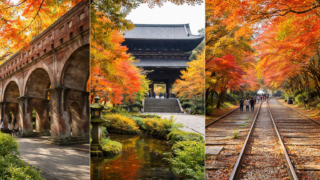
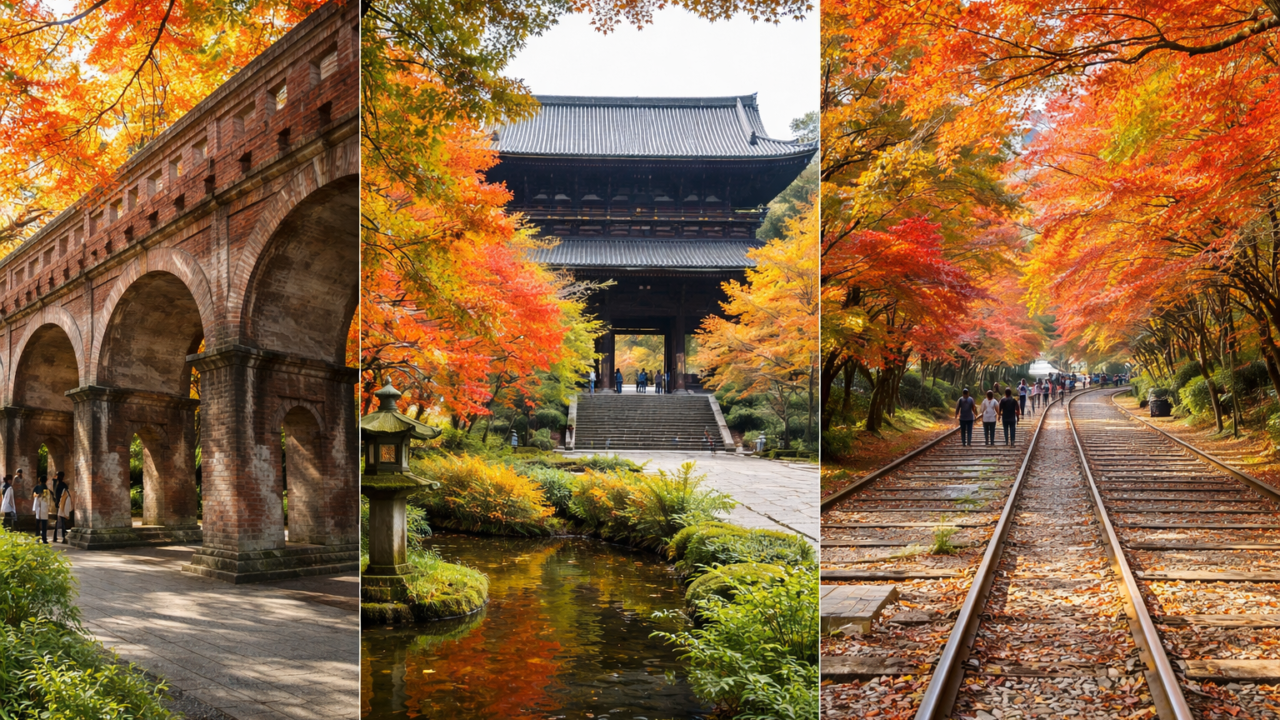
the spectacular Sanmon Gate / the brick arches of the Suirokaku Aqueduct / Zen gardens / the cherry blossoms of Keage Incline / the Philosopher’s Path.
Despite being only a few minutes from central Kyoto by subway, once you step into the grounds of Nanzenji, the busy atmosphere of the city fades away and you are surrounded by a calm, peaceful environment.
For this reason, the Nanzenji area is especially popular with travelers who want to
experience the quiet side of Kyoto while enjoying nature and history at the same time.
In this guide, we will cover:
・The history and highlights of Nanzenji Temple
・The story behind the Suirokaku Aqueduct
・Best season to see cherry blossoms at Keage Incline
・Tips to avoid crowds
・Recommended sightseeing routes based on available time
Everything you need to know for visiting this beautiful Kyoto area.
- Location: Nanzenji Fukuchi-cho, Sakyo Ward, Kyoto
- Nearest Station: Keage Station (Kyoto Subway Tozai Line), 5-minute walk
- Suggested Visit Time: 2–4 hours
- Admission: Temple grounds are free (some gardens require an entrance fee)
- Best Seasons: Spring (late March–early April) and Autumn (mid–late November)
Contents
What Is Nanzenji Temple? A Prestigious Zen Temple Above the Kyoto Five Mountains
Nanzenji Temple was founded in 1291 during the Kamakura period and serves as the head temple of the Nanzenji branch of the Rinzai Zen sect.
The site was originally the villa of Emperor Kameyama before being converted into a Zen temple.
Within Kyoto’s Zen Buddhist tradition, temples are ranked under the system known as the Kyoto Five Mountains.
However, Nanzenji stands above this ranking and is treated as a temple of special status.
Because of this, Nanzenji is considered one of the central temples of Zen culture in Kyoto.
The temple grounds are expansive, featuring landmarks such as the Sanmon Gate, Hojo Hall, the Suirokaku Aqueduct, and several gardens.
One of Nanzenji’s greatest charms is the sense of calm created by the harmony between historic architecture and surrounding nature.
In the early morning, when fewer visitors are present, you can hear birds singing and the wind moving through the trees, creating an especially peaceful atmosphere.
Highlights of Nanzenji Temple
① Sanmon Gate – A Spectacular View Over Kyoto
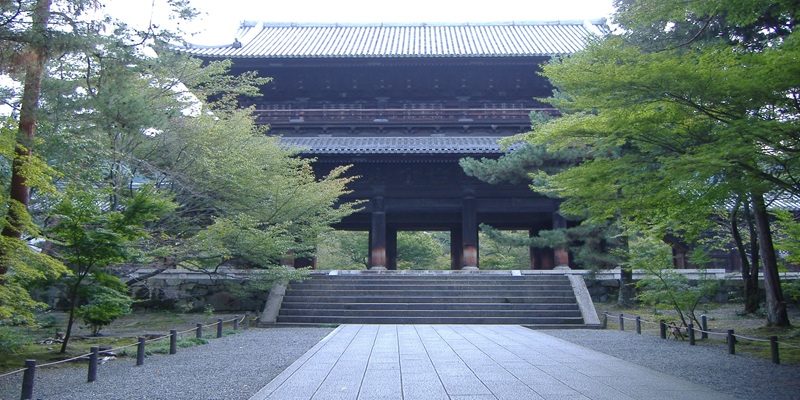
One of the most iconic structures at Nanzenji is the massive Sanmon Gate.
The current gate was rebuilt in 1628 during the early Edo period and stands approximately 22 meters tall.
Visitors can climb to the upper level, where panoramic views of Kyoto city and the surrounding Higashiyama mountains await.
During the autumn foliage season, the scenery from the gate becomes particularly breathtaking.
The Sanmon Gate is also famous as the setting for the famous Kabuki line spoken by the legendary outlaw Ishikawa Goemon:
“What a magnificent view! Truly magnificent!”
② Suirokaku Aqueduct – One of Kyoto’s Most Photogenic Spots
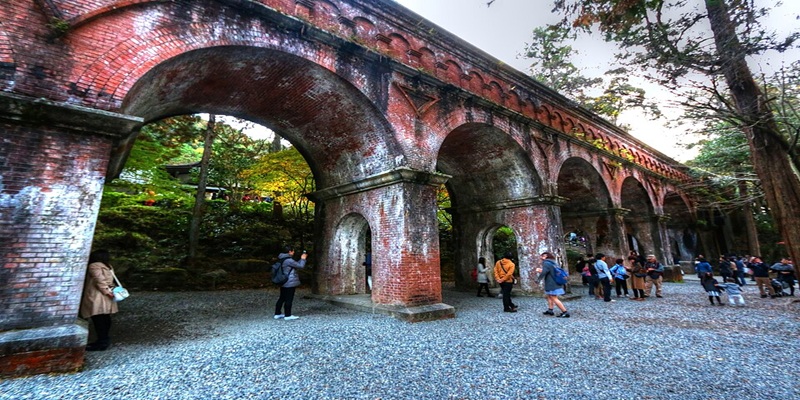
Completed in 1890, the Suirokaku Aqueduct is part of the historic Lake Biwa Canal system.
The canal was constructed during the Meiji period to bring water from Lake Biwa into Kyoto, supporting industrial development and modern infrastructure.
The aqueduct is one section of this massive project.
Its red brick arches create a striking contrast with traditional Japanese temple architecture, making it a rare example of Western-style engineering blending with Japanese scenery.
The repeating brick arches have become one of Kyoto’s most famous photography spots.
Searching for:
“Suirokaku Kyoto photo”
often leads to images taken here.
Photography tips:
・Morning light creates the best atmosphere
・Brick colors become deeper and more vivid after rain
・Photos taken from beneath the arches are especially popular
③ Tenjuan and Nanzen-in – Beautiful Zen Gardens
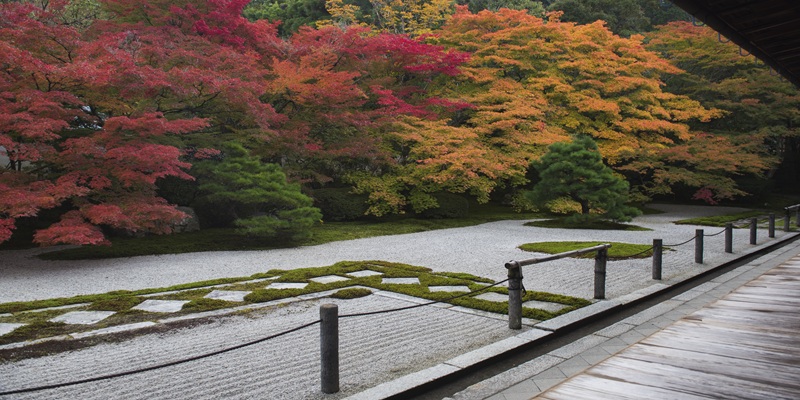
Tenjuan Temple is one of Nanzenji’s sub-temples and is especially famous for its autumn foliage.
It features both a pond garden and a dry rock garden, creating a beautiful contrast in landscape design.
In autumn, colorful maple leaves reflected in the pond create one of Kyoto’s most elegant seasonal scenes.
Nanzen-in Temple, on the other hand, stands on the site of Emperor Kameyama’s former villa.
Its quiet pond garden offers a calm and contemplative atmosphere and is often less crowded than other areas of Nanzenji.
Cherry Blossoms at Keage Incline – Best Season and Crowds
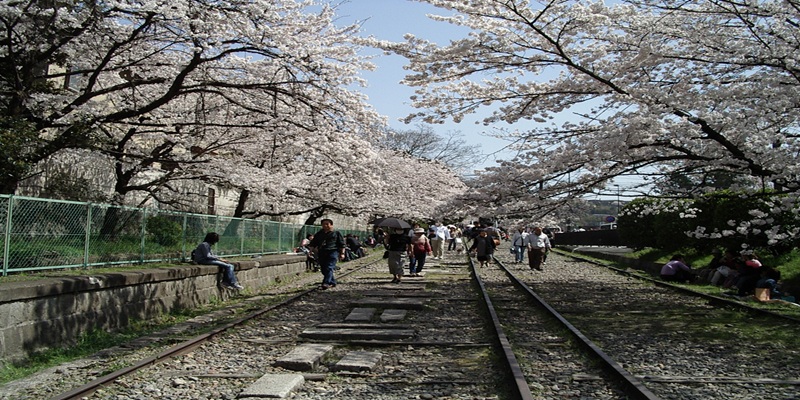
Located about a five-minute walk from Nanzenji Temple, Keage Incline was once a sloped railway used to transport boats along the Lake Biwa Canal.
Although it is no longer in operation, the tracks remain preserved.
In spring, around 90 cherry blossom trees bloom along the railway, turning the area into one of Kyoto’s most famous sakura viewing spots.
Walking along the old tracks beneath the cherry blossoms creates a uniquely picturesque scene.
Best viewing season: late March to early April
Crowded hours: 10:00 AM – 3:00 PM
Visiting early in the morning is highly recommended.
Autumn at Nanzenji – A Famous Kyoto Foliage Spot
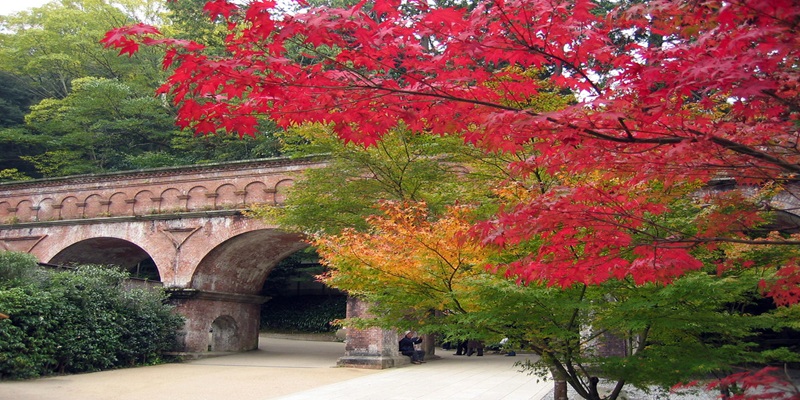
Nanzenji is also widely known as one of Kyoto’s best places to see autumn foliage.
The peak viewing season is typically mid to late November.
Areas around the Sanmon Gate, Tenjuan Temple, and Nanzen-in Temple offer especially beautiful views.
Late afternoon light creates softer colors, making it a great time for photography.
Recommended Sightseeing Courses
■2-Hour Course
Keage Station → Sanmon Gate → Suirokaku Aqueduct → Nanzen-in
This short route allows visitors to efficiently see the main highlights of Nanzenji.
■Half-Day Course
Keage Station → Keage Incline → Nanzenji Temple area → Philosopher’s Path
A classic walking route combining nature and historical scenery.
■Full-Day Extended Course
Nanzenji → Eikando Temple → Philosopher’s Path → Ginkaku-ji Temple
This is a popular route for exploring the Higashiyama area of Kyoto.
・Arrive before 9:00 AM
・Visit on weekdays during cherry blossom or autumn seasons
・Rainy days are surprisingly quiet and atmospheric
Conclusion
Nanzenji Temple offers a rare combination of
history × photogenic scenery × seasonal nature × relaxing walking routes.
From Zen temples and aqueduct architecture to cherry blossoms and autumn foliage, the area provides a wide range of experiences in one compact location.
Whether you are visiting Kyoto for the first time or returning for another trip, Nanzenji remains one of the most rewarding places to explore.