


![11 Maid Cafe Ranking in Tokyo [Recommended even to beginners and ladies!]](https://jatrabridge.com/wp-content/uploads/slider/cache/11597c33ae53b47eb36a2f67968e635f/Maid-Cafe-Ranking-in-Tokyo2.3.jpg)






Just a little north of central Kyoto,
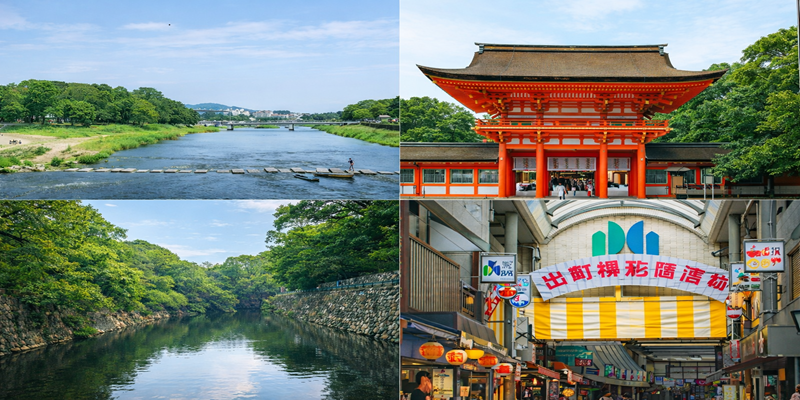
Demachiyanagi is a walkable area where you can enjoy multiple highlights in a compact route—starting at the iconic “Kamo River Delta” where the Kamo and Takano rivers meet, then heading to the UNESCO World Heritage Shimogamo Shrine, and finishing with local eats at a traditional shopping arcade.
It’s the kind of place where nature, history, and everyday Kyoto life blend together—so even first-time visitors often feel, “This is the Kyoto I wanted.”
And because Demachiyanagi Station is the terminal station for both the Keihan Line and the Eizan Railway, it’s also a perfect base to extend your trip to Kurama, Kibune, and Mt. Hiei on a day excursion.
In this guide, we’ll dive deep into the must-see spots, local food stops, and easy add-ons so you can enjoy Demachiyanagi in half a day—or make it a full, relaxed one-day plan.
- Area highlights: Walkable route around the “Kamo River Delta” (Kamo River × Takano River), with shrines, shopping streets, and gardens nearby
- Nearest station: Keihan Line / Eizan Railway “Demachiyanagi Station”
- Suggested time: Quick 2–3 hours / Half-day to full-day for a deeper experience
- Best seasons: Spring (cherry blossoms), Autumn (fall colors); Summer is great for riverside time
- Best for: City walkers / Nature lovers / Local food fans / Travelers who want to avoid the busiest tourist zones
- A classic Kyoto walk with nature + history: Step-stones at the Kamo River Delta, UNESCO Shimogamo Shrine, and the quiet forest of Tadasu no Mori
- Local Kyoto food heaven: Discover everyday Kyoto flavors—mame-mochi, croquettes, deli foods, and traditional ingredients—at Demachi Masugata Shopping Arcade
- Easy day-trip expansion: Take the Eizan Railway to Kurama and Kibune, with seasonal views like fresh green maple or the famous autumn “tunnel of red leaves”
Contents
What Is the Demachiyanagi Area?
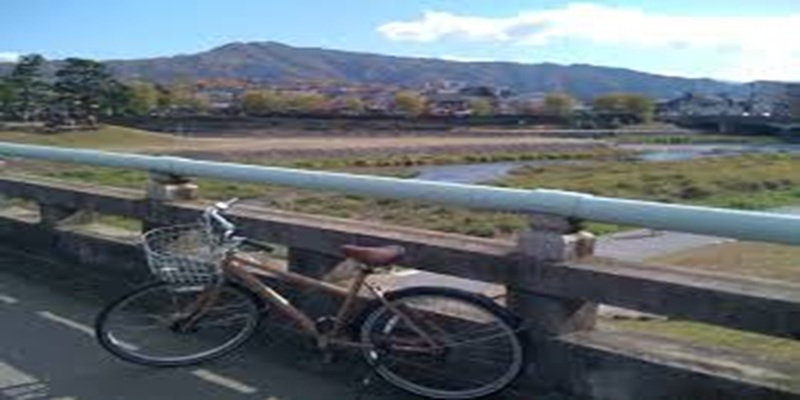
Demachiyanagi is located in Sakyo Ward, Kyoto, centered around the point where the Kamo River and Takano River merge.
With Demachiyanagi Station serving as a terminal for both the Keihan Line and the Eizan Railway, the area is convenient not only for moving around Kyoto City, but also for reaching nature-rich destinations outside the city.
Because many attractions are packed into a small radius, it’s a low-stress area where you can see a lot without rushing—great for short stays, too.
Each season brings a different mood: cherry blossoms in spring, fresh green maple leaves in early summer, vivid autumn colors, and a calm, crisp atmosphere in winter.
Must-See Spots
Kamo River Delta
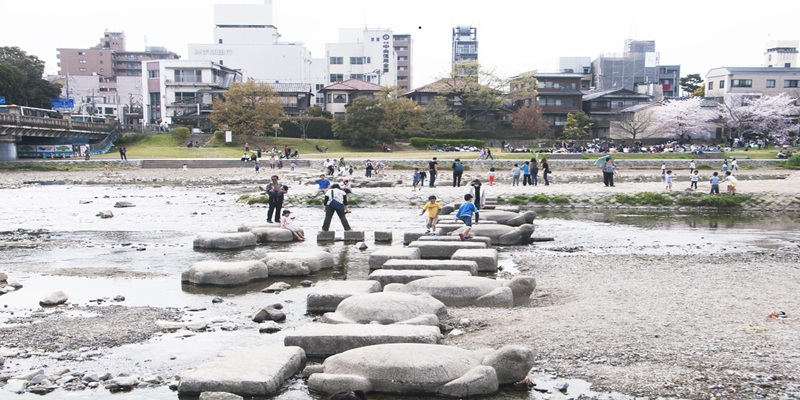
The “Kamo River Delta” is the signature landmark of Demachiyanagi, formed where the Kamo River and Takano River meet.
Its most famous feature is the line of stepping stones across the water.
Some stones even resemble turtles or birds, adding a playful touch that makes both kids and adults want to try crossing.
It’s a perfect place to picnic by the river, sit quietly and watch the flow, or simply reset your mood between sightseeing stops.
It’s also very photogenic—especially in the soft morning light or during sunset when the sky colors reflect on the water.
Shimogamo Shrine and Tadasu no Mori Forest
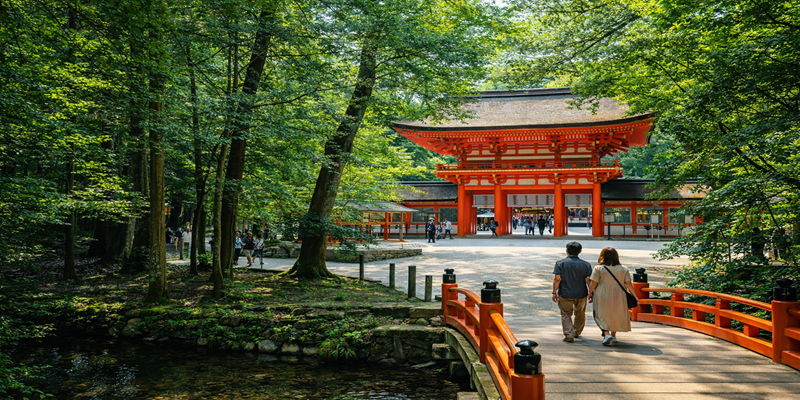
The UNESCO World Heritage Shimogamo Shrine (Kamo-mioya-jinja) is one of those Kyoto places where many visitors feel the atmosphere “shift” the moment they enter.
The approach is wrapped in Tadasu no Mori, an ancient forest that has stood here for centuries—even though the city is just outside. Simply walking through it feels calming and refreshing.
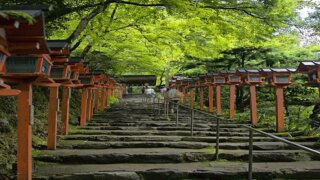
Inside the grounds, the contrast between the shrine’s vivid vermilion architecture and the deep green forest is unforgettable.
The shrine is also known for blessings related to relationships and safe childbirth, and it’s a meaningful stop for travel safety prayers as well.
Seasonal rituals are held throughout the year, and in summer there are traditional events where people cool their feet in sacred water to pray for health—an experience that feels uniquely Kyoto.
Demachi Masugata Shopping Arcade
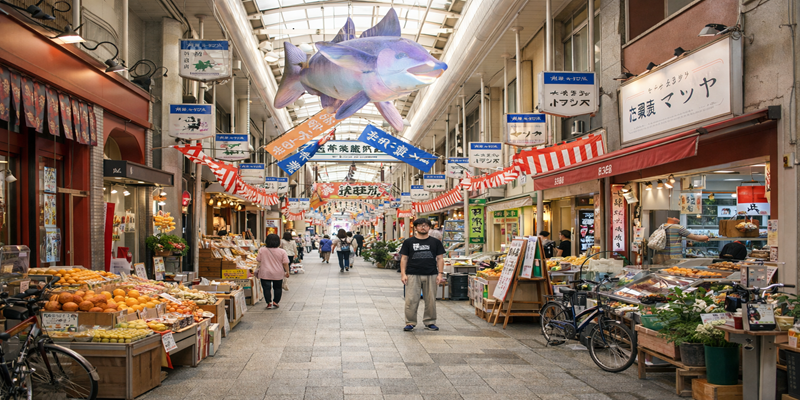
Just a short walk from Demachiyanagi Station, Demachi Masugata Shopping Arcade is where you can see Kyoto’s everyday life in action.
You’ll find deli shops, produce stands, fish stores, and more—less “touristy,” more “real Kyoto.” That’s exactly why it’s so charming.
For food lovers, the must-try item is Demachi Futaba’s mame-mochi (bean mochi).
The combination of smooth sweet red bean paste and the gentle saltiness of the beans in the mochi is addictive.
Because it’s made without preservatives, it’s best enjoyed the same day you buy it.
You’ll also find hot, freshly fried croquettes and shops specializing in dashi ingredients like bonito flakes—great for souvenirs and “take a piece of Kyoto home” shopping.
Kyoto Gyoen National Garden & Kyoto Imperial Palace Area
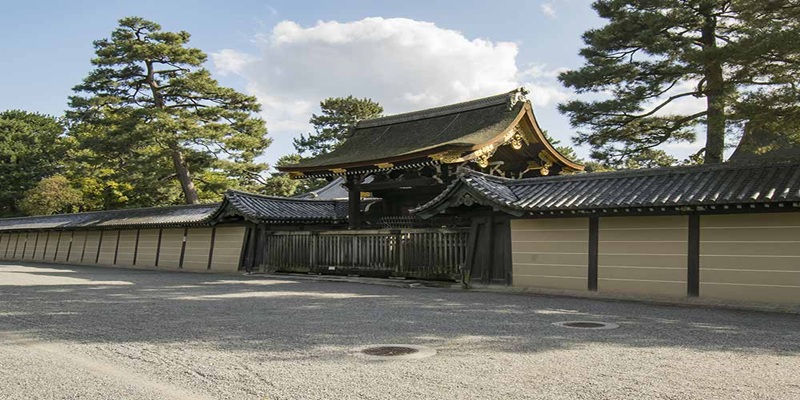
If you have extra time, you can extend your walk to Kyoto Gyoen National Garden, the large public park surrounding the former Imperial residence.
With wide paths and seasonal flowers and trees, it’s a green oasis perfect for a quiet stroll—especially if you want to breathe, slow down, and recover from a busy sightseeing day.
Hyakumanben Chion-ji Temple (Handmade Market on the 15th)
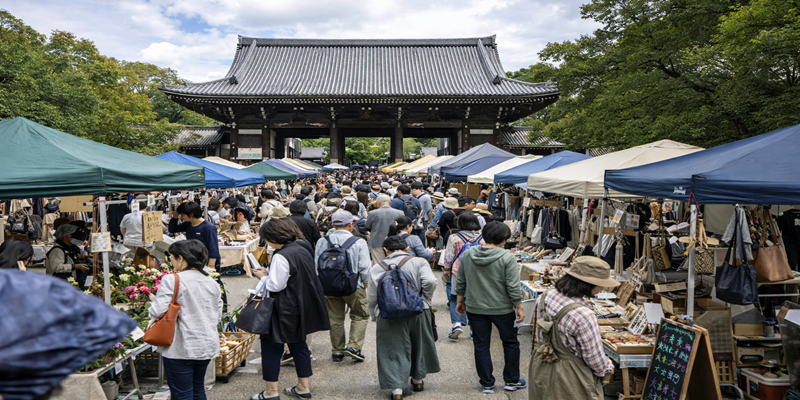
The Jodo-sect temple Hyakumanben Chion-ji, founded in the Kamakura period, is famous for its handmade market held on the 15th of every month.
You’ll find crafts, accessories, baked sweets, and local snacks—more like joining a Kyoto community event than visiting a typical tourist site.
If your travel date matches the market day, it’s absolutely worth adding to your itinerary.
Shokoku-ji Temple
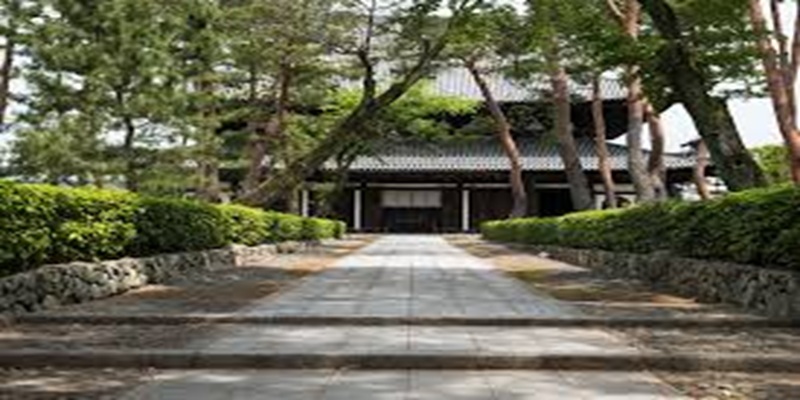
Located just north of Kyoto Gyoen, Shokoku-ji is one of the “Kyoto Five Great Zen Temples.”
It’s a wonderful place to step away from the crowds and feel a quiet Zen atmosphere.
In autumn, the scenery is especially beautiful—ideal for travelers who want a calmer, deeper Kyoto experience.
Take the Eizan Railway to the Countryside (Kibune, Kurama, Mt. Hiei)
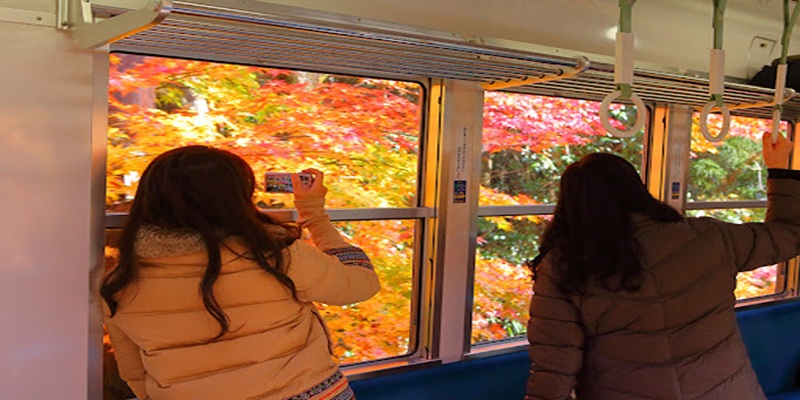
Demachiyanagi Station is the starting point of the Eizan Railway.
Even the ride itself feels like a mini journey—retro trains heading toward quiet mountain scenery.
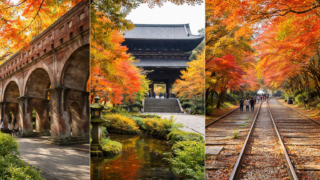
The line is especially loved for seasonal views: a tunnel of red leaves in autumn and fresh green maple views in early summer.
If you have time, a day trip to Kibune or Kurama is a great way to discover an even deeper side of Kyoto’s nature.
Kyoto University Area (A Student Town Walk)
The Kyoto University area has a unique intellectual vibe, with student-friendly cafés and bookstores scattered around.
Step one street away from the main roads and you’ll find quiet lanes—great for relaxed walking and “Kyoto atmosphere” without the crowds.
Sai Shrine
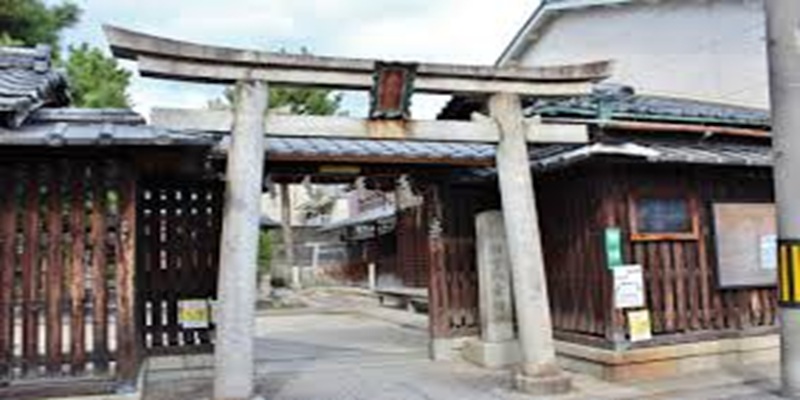
A short walk from the shopping arcade, Sai Shrine is a small local shrine known for blessings related to relationships.
It’s especially peaceful during quieter hours, and even a short visit gives you a taste of “Kyoto’s hidden neighborhood shrines.”
Mo-an (A Hidden Mountain Café)
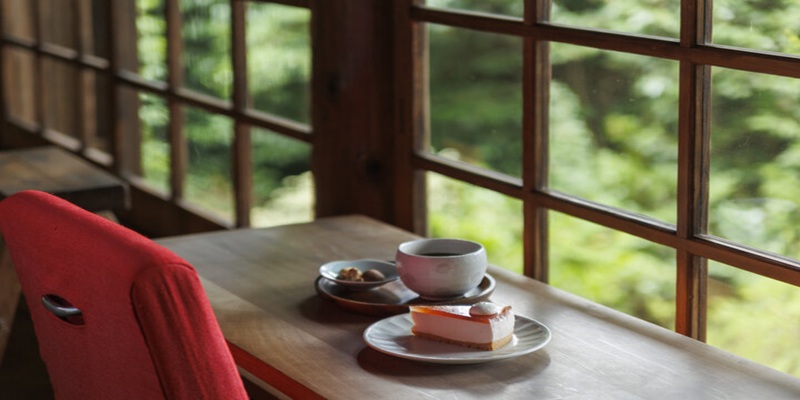
Perched near the top of Yoshida-yama Hill, Mo-an is a café renovated from a Taisho-era teahouse.
After a light hike, enjoying seasonal drinks and sweets while looking out over Kyoto through glass shoji-style windows is a truly special experience.
Before visiting, it’s a good idea to check official information for opening days and updates.
Recommended Model Course (Half-Day to Full Day)
(Morning) Walk through the calm forest approach at Shimogamo Shrine & Tadasu no Mori.
(Lunch) Eat your way through Demachi Masugata Shopping Arcade—mame-mochi, deli foods, croquettes, and more.
(Afternoon) Relax and take photos at the Kamo River Delta.
If you have extra time, extend your day with a short trip on the Eizan Railway, or enjoy a slow stroll in Kyoto Gyoen National Garden.
How to Get There
From Kyoto Station, one easy route is to travel by JR toward the Tofukuji area, transfer to the Keihan Line, and ride to Demachiyanagi Station.
If you prefer buses, you can take a Kyoto City Bus to the “Kawaramachi Imadegawa” area and walk from there.
From Demachiyanagi Station, the major spots are all within walking distance—Kamo River Delta is right nearby, and Shimogamo Shrine is an easy stroll away.
- The stepping stones at the Kamo River Delta can be slippery after rain. Wear comfortable, non-slip shoes.
- At shrines and temples, please keep your voice low and follow good photography manners.
- Shop opening hours and closing days vary by store in the arcade—check ahead if you have specific places in mind.
Conclusion
The Demachiyanagi area offers a rare Kyoto blend: riverside nature, UNESCO-level history, and delicious local everyday food—all in one walkable neighborhood.
Spend time by the water at the Kamo River Delta, reset your mind in the forest of Shimogamo Shrine, and taste Kyoto’s daily life in the shopping arcade.
Then, if you want more, take the Eizan Railway into the mountains and discover an even deeper side of Kyoto.
Use this guide to plan your Demachiyanagi walk, and experience a Kyoto that’s truly made for walking.