






What food is Nagoya famous for? The answer is “Nagoya meshi”, the local food of Nagoya. It has strong flavors, lots of red miso, big portions and some surprising ideas, like curry in udon or red bean paste on toast.
In this guide, I introduce 14 Nagoya meshi dishes and one famous restaurant for each. Many of them are inside or near Nagoya Station, so you can try several dishes even on a short stay. I checked the restaurants again in November 2026 and removed one that has closed.

- Hitsumabushi: Grilled eel on rice, eaten in three ways (Atsuta Horaiken 4,950 yen)
- Miso katsu: Pork cutlet with sweet red miso sauce
- Tebasaki: Crispy, peppery chicken wings, great with beer
- Miso nikomi udon: Firm udon cooked in red miso soup in a clay pot
- Morning service: Order a coffee and get toast and an egg for free
Short on time? The ESCA underground mall at the west side of Nagoya Station has miso nikomi udon, tebasaki and miso katsu restaurants in one place.
Contents
All 14 Nagoya foods at a glance
Budgets are per person and are a guide only. Prices in Japan went up several times after 2024, so please check the menu at the restaurant.
| Food | What it is | Budget | Restaurant in this guide |
|---|---|---|---|
| Hitsumabushi | Chopped grilled eel on rice | About 5,000 yen | Atsuta Horaiken |
| Miso nikomi udon | Udon in red miso soup | About 1,500–2,500 yen | Yamamotoya Honten (Nagoya Sta.) |
| Taiwan ramen | Very spicy ramen with minced meat | About 1,000 yen | Misen (Nagoya Sta.) |
| Morning service | Free breakfast with coffee | About 500 yen | Lyon (near Nagoya Sta.) |
| Tebasaki | Fried chicken wings | About 700 yen for 5 | Furaibo (Nagoya Sta.) |
| Ankake spaghetti | Thick pasta with spicy, thick sauce | About 1,000–1,300 yen | Yokoi (Sakae) |
| Miso katsu | Pork cutlet with red miso sauce | About 1,500–2,000 yen | Futaba (Nagoya Sta.) |
| Ebi furai | Big fried shrimp | About 2,000 yen | Maruha Shokudo (Sakae) |
| Tenmusu | Small rice balls with shrimp tempura | About 800 yen for 5 | Senju (Kintetsu Nagoya Sta.) |
| Kishimen | Flat udon noodles | About 500–800 yen | Sumiyoshi (Shinkansen platform) |
| Curry udon | Udon in spicy curry soup | About 1,000 yen | Shachinoya (Kurokawa) |
| Teppan spaghetti | Ketchup pasta on a hot iron plate with egg | About 800–1,000 yen | Cafe Yuki (Kurumamichi) |
| Doteni | Pork offal stewed in red miso | From about 150 yen per stick | Dote no Shinagawa (Horita) |
| Ogura toast | Toast with butter and red bean paste | About 600 yen | Komeda’s Coffee (many shops) |
1. Hitsumabushi: the king of Nagoya meshi

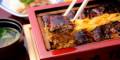
When Japanese people hear “Nagoya meshi”, most think of hitsumabushi first. Grilled eel with sweet soy sauce is cut into small pieces and put on rice in a wooden bowl. The fun part is how you eat it: first plain, then with green onion and wasabi, then as ochazuke with hot broth. Finally, eat the rest in your favorite way.
Atsuta Horaiken: the restaurant that named it

Atsuta Horaiken opened in 1873 and “hitsumabushi” is its registered trademark. The eel is grilled over charcoal until crispy outside and soft inside, and the sauce is not too sweet. The main store near Atsuta Shrine always has a line, so arrive before it opens or try the branch in Matsuzakaya department store in Sakae.
Atsuta Horaiken (official website)
Price: Hitsumabushi 4,950 yen (main store, 2026)
Access: Main store: 7 minutes on foot from Temmacho Station (Meijo Line). Branches at Atsuta Jingu and Matsuzakaya Nagoya

2. Miso nikomi udon: hot red miso noodle soup

Miso nikomi udon is udon cooked in a clay pot with a thick soup of red miso. It comes to the table still boiling. The noodles are much harder than normal udon. This is not a mistake: the noodles have no salt and are made to stay firm in the hot soup. Use the pot lid as a small plate to cool the noodles.
Yamamotoya Honten ESCA: the classic taste

Yamamotoya Honten is one of the most famous miso nikomi udon chains. The soup is a blend of red and white miso, deep and a little sweet. The version with Nagoya Cochin chicken and egg is popular. The ESCA branch is in the underground mall right next to Nagoya Station.
Hours: 10:00–22:00 (last order 21:30). Closed on ESCA holidays
Budget: About 1,500–2,500 yen. Credit cards accepted
Access: ESCA underground mall, 2 minutes from the Taiko-dori exit of JR Nagoya Station
3. Taiwan ramen: born in Nagoya, not Taiwan

The name says “Taiwan”, but this ramen was created in Nagoya by a Taiwanese chef. The noodles are topped with spicy minced pork, garlic chives and lots of chili. The soup is light, but the heat is strong. If you are not good with spicy food, ask for the “America” version, which is milder.
Misen JR Nagoya Station: the original

Misen is the restaurant where Taiwan ramen began. Its chicken broth with chili and garlic, plus the minced meat, is very addictive. Local people often order it at the end of a night out. The station branch is open from lunch until late.
Hours: 11:00–22:00
Budget: About 1,000 yen for ramen. Credit cards accepted
Access: 2 minutes on foot from JR Nagoya Station
4. Morning service: free breakfast with coffee

In Nagoya, many cafés give you toast, a boiled egg and sometimes salad for free when you order a drink in the morning. This is called “morning service”. Each café has its own set, from ogura toast with red bean paste to Japanese food. It is the cheapest way to try Nagoya café culture.
Lyon: morning service all day

Lyon, near Nagoya Station, is famous because its morning service is available all day, not only in the morning. The “ogura-an press sandwich” with lots of red bean paste is the popular choice. Hours can change, so check before you go.
Budget: About 500 yen for a drink with the free set
Access: 5 minutes on foot from JR Nagoya Station
5. Tebasaki: Nagoya’s famous chicken wings

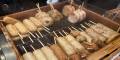
Tebasaki are chicken wings fried twice and coated with a sweet-salty sauce, pepper and sesame. They are crispy outside and juicy inside. At izakayas in Nagoya, almost every table orders them with beer. Hold the wing with your hands and pull the meat off the bone. Your fingers will get sticky, so use the wet towel.
Furaibo ESCA: where tebasaki began

Furaibo created tebasaki in 1963. The sweet-spicy sauce and strong pepper have not changed since then. The ESCA branch is next to Nagoya Station, so it is easy to stop by on your first or last night.
Hours: 11:00–22:00 (last order 21:30). Closed on January 1
Budget: About 700 yen for 5 wings. Credit cards accepted
Access: ESCA underground mall, 2 minutes from JR Nagoya Station
6. Ankake spaghetti: thick pasta with spicy sauce

Ankake spaghetti is thick spaghetti fried in oil and covered with a thick, peppery sauce made with starch. It is a very local food: many people from other parts of Japan have never tried it. The sauce is spicy from black pepper, and it is surprisingly addictive.
Yokoi Sumiyoshi main store: the original ankake spaghetti

Yokoi is the original ankake spaghetti restaurant. There are many toppings. The most popular is “Mirakan”, with sausage, ham, onion and green pepper. They also have an English menu.
Budget: About 1,000–1,300 yen
Access: 5 minutes on foot from Sakae Station (subway)
7. Miso katsu: pork cutlet with red miso sauce

In Nagoya, tonkatsu (pork cutlet) often comes with a dark red miso sauce instead of normal tonkatsu sauce. The sauce is made from Hatcho miso with sugar and dashi, so it is sweet and rich. People from Nagoya are often surprised that other cities do not have miso katsu.
Futaba ESCA: a long-loved miso katsu restaurant

Futaba has served Nagoya for more than 40 years. The pork is fried crispy and covered with its own miso sauce. The miso katsu set meal comes with rice, miso soup and pickles. It is in ESCA, so you can combine it with tebasaki or udon nearby.
Hours: 11:00–20:30. Closed on ESCA holidays
Budget: About 1,500–2,000 yen for a set meal. Credit cards accepted
Access: 1 minute from JR Nagoya Station (ESCA underground mall)
8. Ebi furai: giant fried shrimp

Aichi Prefecture catches a lot of shrimp, and Nagoya people love big fried shrimp. In Japan, there is even a joke that Nagoya people say “ebi” as “ebifurya”. Tenmusu (number 9) also uses shrimp, so shrimp is a big part of Nagoya food.
Maruha Shokudo LACHIC: jumbo fried shrimp

Maruha Shokudo is a seafood restaurant from Minamichita, a fishing town south of Nagoya. Its jumbo fried shrimp is famous. The branch in LACHIC department store in Sakae gets seafood from the main store, so you can enjoy it in the city center.
Hours: Weekdays 11:00–15:00 / 17:00–22:00, weekends and holidays 11:00–22:00
Budget: About 2,000 yen for a set meal. Credit cards accepted
Access: 3 minutes on foot from Sakae Station (subway)

9. Tenmusu: small rice balls with shrimp tempura

Tenmusu is a small rice ball with shrimp tempura inside, wrapped in nori seaweed. It tastes good even when cold, so it is a perfect snack for the train. Many people buy a box at the station before getting on the Shinkansen.
Senju Kintetsu Nagoya Station: the original tenmusu

Senju is the original tenmusu shop. Its tenmusu has a simple, homey taste with lightly salted rice and sweet shrimp tempura. The shop inside Kintetsu Nagoya Station closes when everything is sold out, so go early.
Tenmusu Senju Kintetsu Nagoya Station
Hours: 11:00–19:00 (until sold out)
Budget: About 800 yen for 5 pieces
Access: In front of the underground ticket gate of Kintetsu Nagoya Station
10. Kishimen: flat noodles

Kishimen are thin, flat and wide noodles. They are smooth and slide easily into your mouth. The usual soup is soy sauce-based with lots of dried bonito flakes on top. You can eat them hot or cold.
Sumiyoshi: kishimen on the train platform

Sumiyoshi is a standing noodle shop on the platforms of JR Nagoya Station. Many people eat their first kishimen here as soon as they arrive. The shop on the Shinkansen platform (platforms 14 and 15) is perfect while waiting for your train. Try the kishimen with squid tempura.
Sumiyoshi (Shinkansen platform)
Hours: 7:00–21:30
Budget: About 500–800 yen. Cash only
Access: JR Nagoya Station, Shinkansen platforms 14 and 15 (you need a Shinkansen ticket)
11. Curry udon: thick curry soup with udon

Nagoya curry udon has a very thick curry soup made with Japanese dashi and spices. The noodles are thick and chewy. It looks spicy, but the dashi makes it mild and rich. Be careful: the soup splashes easily, so wear dark clothes or use the paper apron if they give you one.
Shachinoya: a famous curry udon restaurant

Shachinoya is one of the best-known curry udon restaurants in Nagoya. The soup is deep, with many spices, and the noodles are very bouncy. Many people drink the soup to the last drop.
Hours: 11:00–14:00 / 17:30–21:00 (Sundays and holidays dinner from 18:00). Closed on Thursdays
Budget: About 1,000 yen. Cash only
Access: 2 minutes on foot from Kurokawa Station (subway)
12. Teppan spaghetti: ketchup pasta on a hot plate

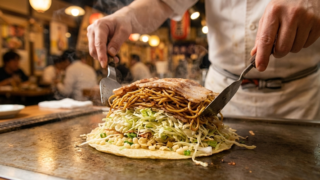
Teppan spaghetti is ketchup-flavored pasta served on a hot iron plate with beaten egg poured around it. The egg cooks on the plate while you eat. In Nagoya, it is often called “Italian spaghetti” at old cafés. It is a nostalgic taste for Japanese people.
Cafe Yuki: a retro café from the Showa era

Cafe Yuki is a classic café with a retro feeling. Its “Italian spaghetti” with red sausage and green pepper is the Nagoya teppan style. It is only open in the daytime.
Hours: About 10:00–15:00. Closed on Fridays and Saturdays
Budget: About 800–1,000 yen. Cash only
Access: 2 minutes on foot from Kurumamichi Station (subway)
13. Doteni: offal stewed in red miso

Doteni (or dote-yaki) is pork or beef offal stewed for a long time in red miso and mirin. It is sweet, salty and soft, and goes very well with sake or beer. It is a classic menu at izakayas in Nagoya, and you will see it again and again: miso is the key to Nagoya food.
Dote no Shinagawa: a local standing bar

Dote no Shinagawa is a small shop in an old neighborhood. It stews pork offal in Hatcho miso, using the same sauce since it opened. There are seats, but eating at the counter like local people is more fun.
Hours: 17:30–21:00 (last order 20:40). Closed on Sundays
Budget: From about 150 yen per stick. Cash only
Access: About 7 minutes on foot from Horita Station (Meitetsu)
14. Ogura toast: toast with red bean paste

Ogura toast is thick toast with butter and a lot of sweet red bean paste (ogura-an). The salty butter and the sweet beans go very well together. It is a favorite at Nagoya cafés, especially for morning service.
Komeda’s Coffee: ogura toast at a Nagoya-born café chain
Komeda’s Coffee started in Nagoya and now has shops all over Japan, including many around Nagoya Station and Sakae. “Ogura toast” is on its regular menu. At most shops, if you order a drink in the morning (usually until 11:00), you also get free toast and can choose a topping such as Komeda’s own ogura-an. It is an easy way to try both morning service and ogura toast.
Komeda’s Coffee (official website, Japanese)
Budget: Drink about 500–700 yen, depending on the shop
Note: Morning service hours and menu can differ by shop
Older versions of this article introduced “Nagagutsu to Neko” in Sakae. On Tabelog, its status is now “unconfirmed” (it may be on a long break, or may have moved or closed), so I replaced it.
More Nagoya specialties and souvenirs
Do you have more time? These are also famous in Nagoya:
- Nagoya Cochin: A local chicken breed with firm meat. Try it as oyakodon (chicken and egg rice bowl) or yakitori.
- Uiro: A soft, chewy rice cake sweet. A classic Nagoya souvenir.
- Ebi senbei: Shrimp crackers from Aichi. Light and easy to carry home.
- Hatcho miso: The dark soybean miso behind many Nagoya dishes. You can buy it in small packs.
Souvenir shops at Nagoya Station (such as Gift Kiosk and the Takashimaya food floor) sell all of these.
Questions people often ask
What food is Nagoya most famous for?
Hitsumabushi, miso katsu and tebasaki are the three most famous. Miso nikomi udon and kishimen are also very well known.
Where can I eat many Nagoya foods in one place?
Go to ESCA underground mall at the Taiko-dori side of Nagoya Station. Yamamotoya (miso nikomi udon), Furaibo (tebasaki) and Futaba (miso katsu) are all there.
Is Nagoya food spicy?
Most dishes are rich and sweet-salty, not spicy. Taiwan ramen is the exception: it is very spicy. Tebasaki and ankake spaghetti have strong black pepper.
How much should I budget for Nagoya meshi?
Most dishes are 1,000 to 2,000 yen. Hitsumabushi is about 5,000 yen. Morning service and tenmusu are cheap options under 1,000 yen.
Summary
Nagoya meshi is full of miso, big flavors and fun ideas. If you only have one meal, choose hitsumabushi. If you have one evening, go to ESCA for tebasaki, miso katsu and miso nikomi udon. And do not leave without trying a Nagoya morning service at a local café.
The information in this article was checked in November 2026. Prices and hours change often, so please check before you go.